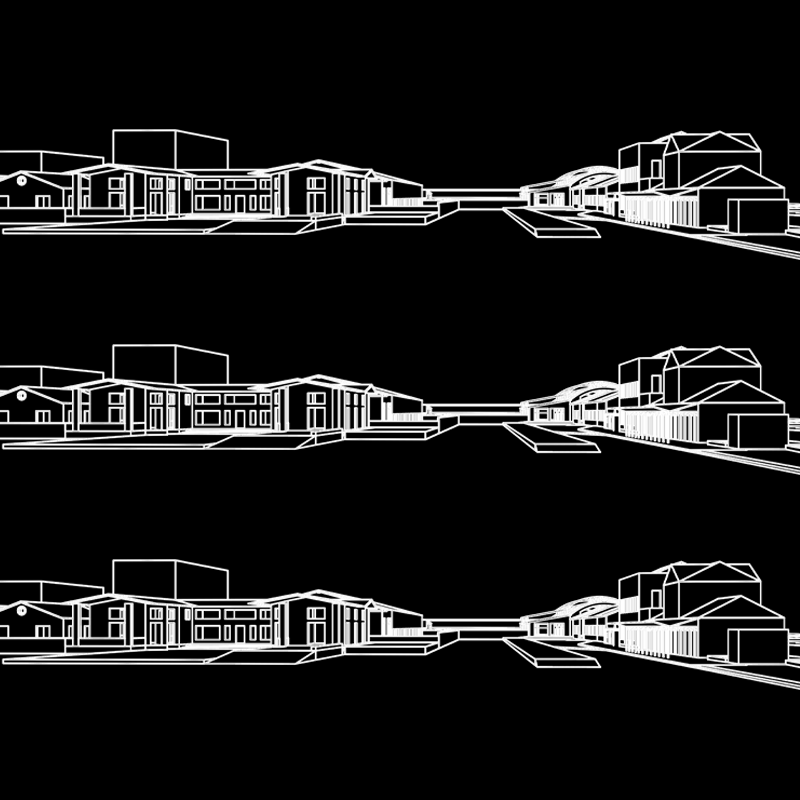
Railway stations are an integral part of the post-industrial city. In Greece, the phenomenon of their gradual abandonment and depreciation is observed, even though they are multidimensional places. One such case is the Volos railway station, a landmark deeply engraved in the identity of the city for almost a century and a half. According to pre-existing research at a global level, the reasons for abandonment vary from case to case, with the main factor being the massive use of private vehicles. Of course, in the Greek case, this is a rather coordinated policy of depreciation of the railway as a means of transporting people and goods. The present paper examines the historical development of railways in Greece and focuses on the case of the city of Volos. Volos station is a special case, especially after the devastating floods of 2023, which left it completely inactive as both the superstructure and the building complex were flooded. Through original research and on-site observation in and around the station, we conclude that the disaster is ultimately an opportunity to reexamine this oversized spatial footprint in the city, focusing on railway activity, cultural heritage and public space.
Keywords: Railway, Public Space, Regeneration, Cultural Heritage, Urban Planning