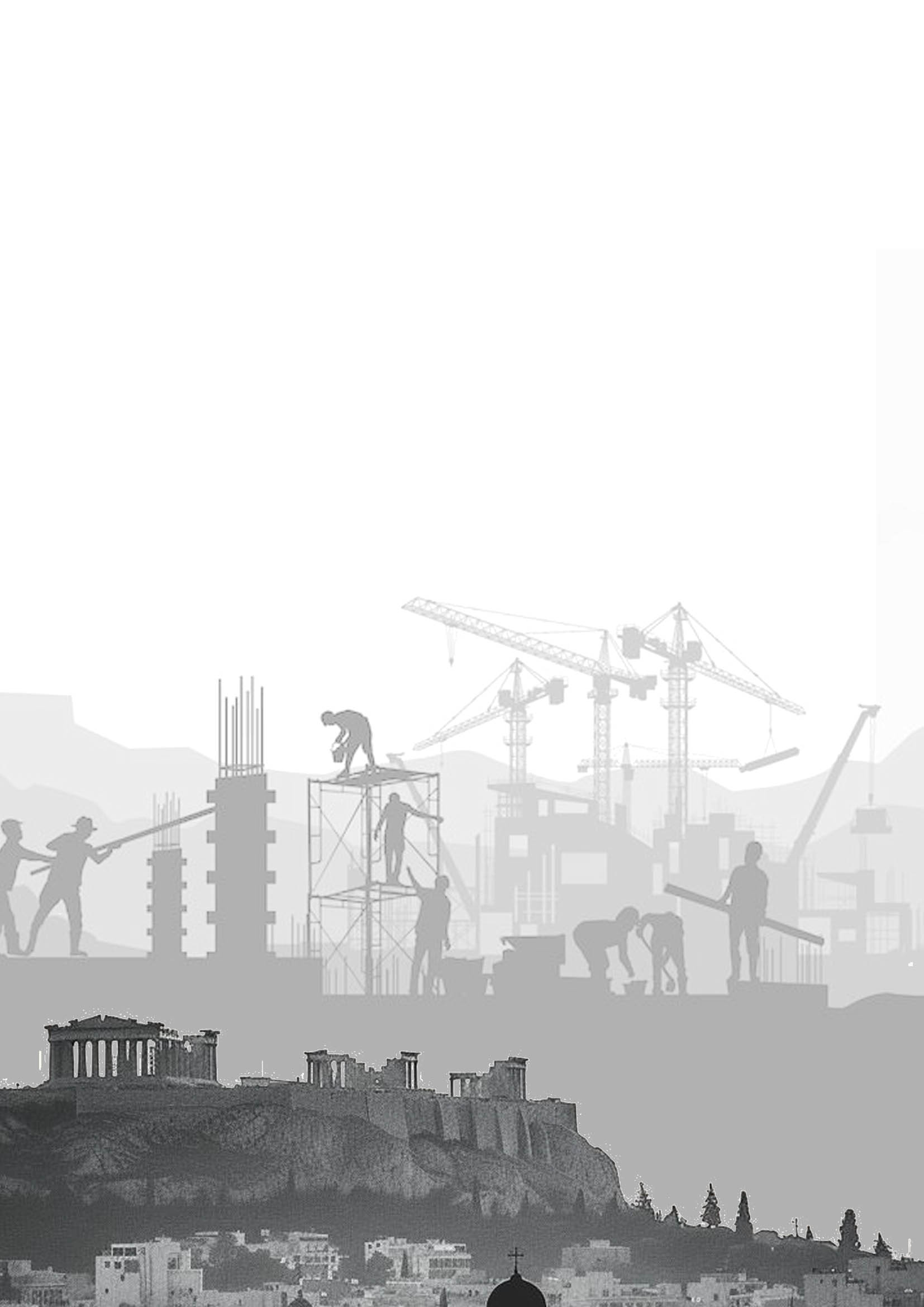
The subject of this research paper focuses on the relationship between archaeology and urban development, as it constitutes a key issue for modern cities, combining the protection of cultural heritage with the demands of the urban fabric. The preservation and promotion of archeological sites within contemporary cities represent one of the greatest challenges faced by urban planners and archaeologists. Beyond their historical and cultural value, archaeological sites influence urban planning, the shaping of city landscapes, and the social structure of urban areas. The merging of these two fields often creates conflicts, as urban development increasingly interacts with areas of high archaeological significance, requiring great sensitivity and innovative solutions for their protection. On the other hand, the excavation and preservation of archaeological sites can delay or restrict the development of new infrastructure and buildings, making collaboration between archaeologists, urban planners, and other relevant stakeholders essential. Research into this relationship highlights the need for a more comprehensive and structured approach that enables cultural heritage to coexist harmoniously with the demands of modern cities. Exploring this interaction holds significant value for the way we perceive and design contemporary urban spaces.