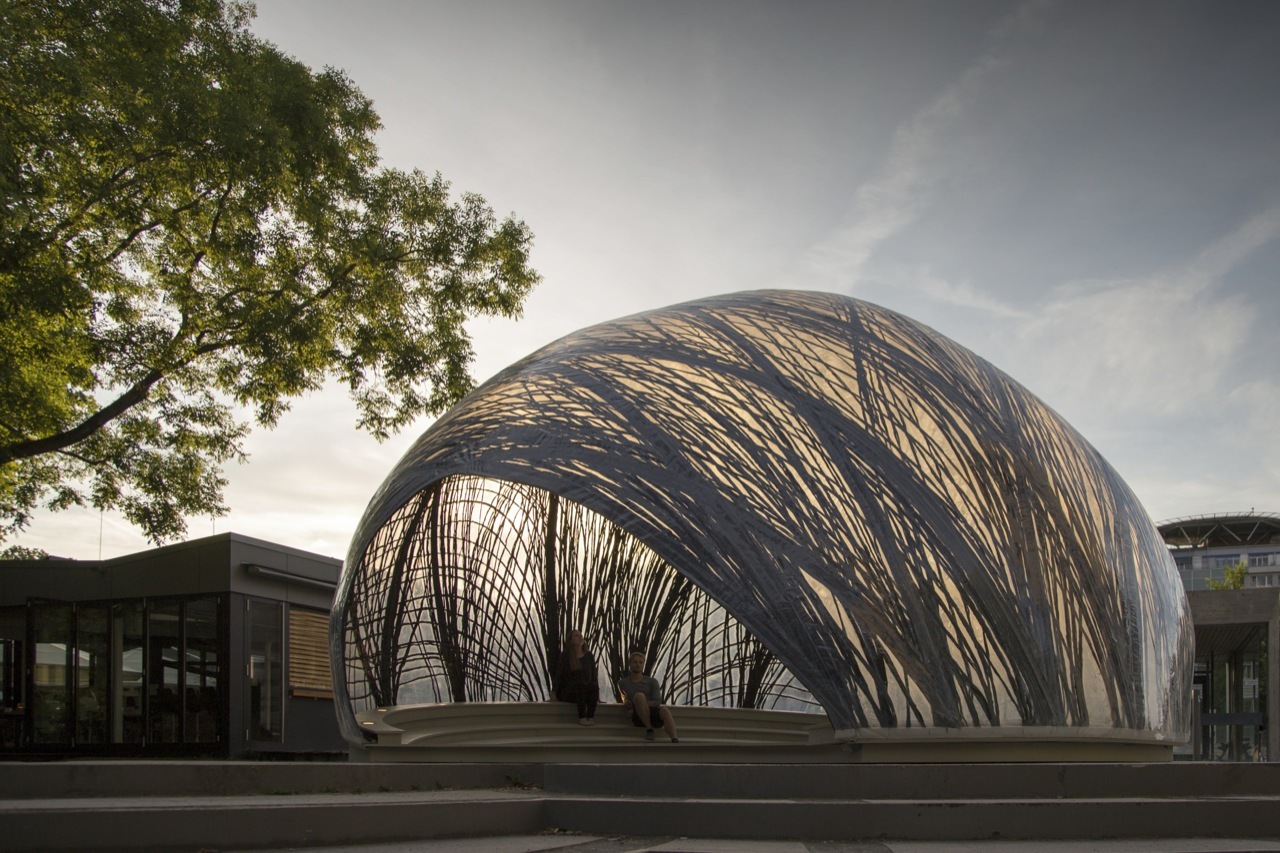
This thesis explores how computational architecture is transforming contemporary design, focusing primarily on its impact on architectural aesthetics. By leveraging algorithms, parametric design, and advanced software, architects can push the boundaries of traditional design, creating innovative forms and intricate structures that redefine architectural expression. The research investigates how these computational methods influence not only the visual aspects of architecture but also promote sustainable practices, improving structural integrity and environmental responsiveness. The study uses a qualitative approach, combining detailed case studies of notable computationally designed buildings with interviews from architects working in the field. It delves into how tools like parametric modeling, generative algorithms, and artificial intelligence are shaping design processes, enabling architects to create, refine, and optimize designs in ways that were previously unimaginable. The thesis also examines the broader implications of computational design, touching on issues of authorship, creativity, and the accessibility of advanced digital tools across the architectural profession. The findings reveal that computational architecture opens up new possibilities for aesthetic exploration, characterized by fluid, complex, and biomimetic forms that expand the vocabulary of contemporary design. At the same time, the research identifies important challenges, including the risk of design uniformity and the unequal distribution of technological resources within the industry. By addressing these themes, the thesis contributes to ongoing conversations about the role of computational design in shaping the future of architectural aesthetics, practice, and sustainability.