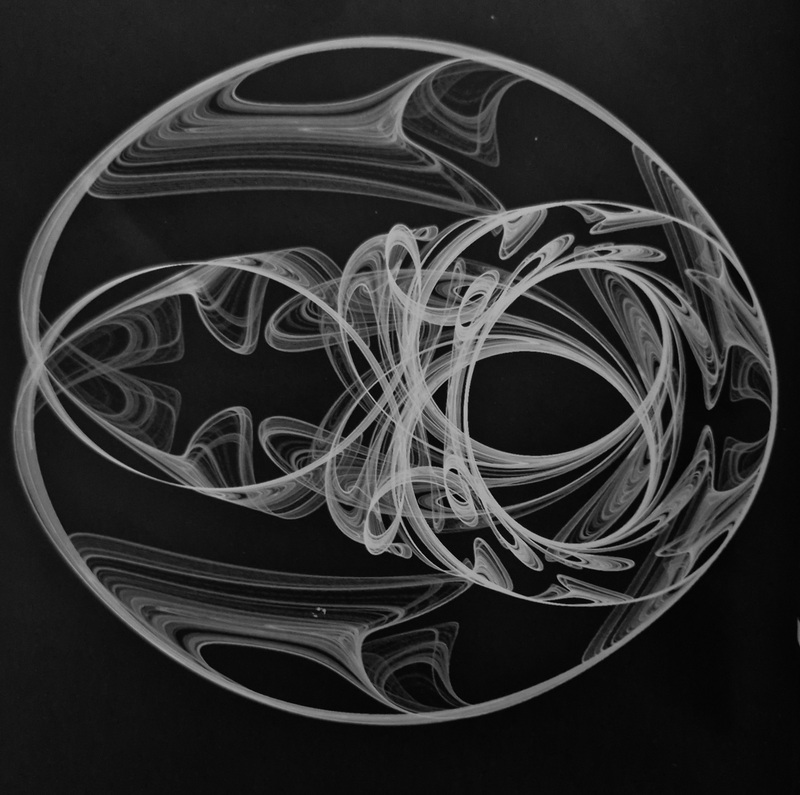
My research will focus on exploring the connection between mathematics and architecture through two design methods, which represent two different schools of thought and time periods. The first method concerns the Golden Ratio and the proportionality that spans from ancient times to the present, with a particular emphasis on the work of Le Corbusier. The second method refers to algorithmic design, with the primary focus on the work of Zaha Hadid. In the first case, Le Corbusier’s work is based on the application of the Golden Ratio and proportionality through the Modulor system, which seeks to connect the dimensions of the human body with architectural harmony, giving the design a natural, organic balance. The Unité d'Habitation, as a characteristic example of modernist architecture, applies mathematical rules derived from proportion and geometric balance, thus ensuring both the functionality and aesthetic integrity of its spaces.
In contrast, the Heydar Aliyev Center by Zaha Hadid represents a completely different approach to the relationship between mathematics and architecture, where algorithmic design allows for the creation of fluid, dynamic forms that do not adhere to traditional geometric proportions. Through the use of parametric tools such as Grasshopper, the forms of the building do not simply emerge from strict mathematical relations, but from algorithmic processes that combine computer logic with the expressive potential of the design. Thus, an organic and futuristic space is created, reflecting the contemporary demands of the architectural field. This approach reflects the transition from the stable mathematical proportions of modernism, such as those by Le Corbusier, to the fluidity and complexity offered by Zaha Hadid's algorithmic design.
My research will examine this transition, analyzing the shift from traditional, mathematically-driven proportions to a dynamic, computationally-guided design, and will explore how these two approaches shape and define the architecture of the future.
Abstract