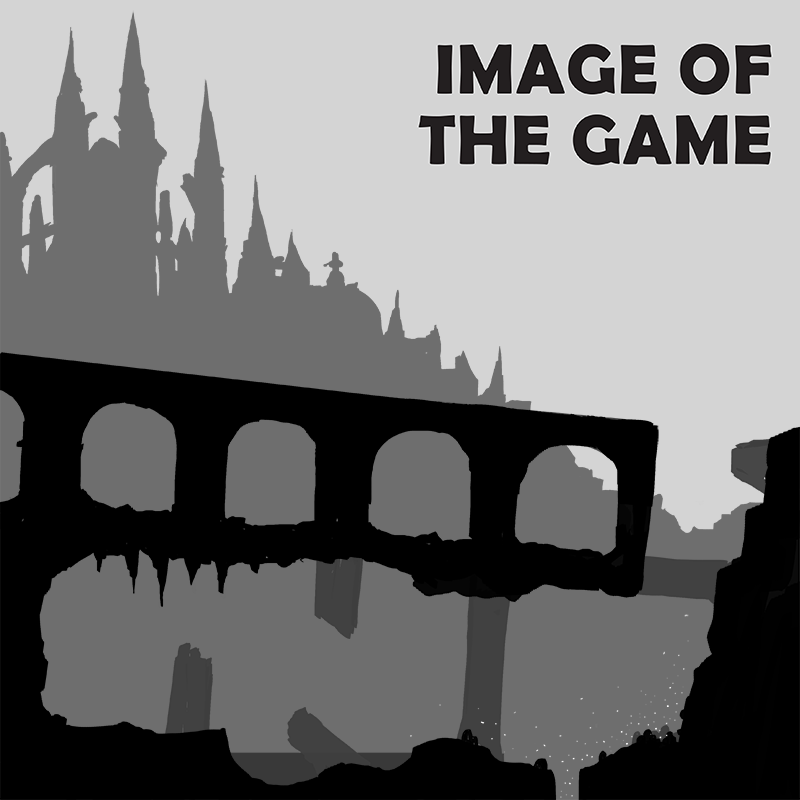
Mental mapping is the process through which people perceive, organize, and represent urban space in their minds, creating a “map” that aids in understanding and navigating the city. Kevin Lynch is the most prominent researcher in this field, and his book “The Image of the City” introduced the public to the foundations of his theory on mental map creation. In this work, he analyzes the five key elements he identified in the mental maps of urban dwellers in American cities: paths, edges, nodes, districts, and landmarks.
The following text examines Kevin Lynch’s theory of mental maps as described in his book and analyzes the application of its core principles in the worlds of two side-scrolling Metroidvania video games. The aim is to explore how these elements affect the flow of gameplay and the player’s experience, either positively or negatively, and how they facilitate the mental mapping of the environment. By comparing the two games, the text further analyzes the role of these principles in enhancing each game’s identity and in developing comprehensible and enjoyable worlds that encourage exploration.