In today’s world, major cities are becoming increasingly densely populated, while available open spaces are steadily diminishing. The need for accessible green spaces is more urgent than ever. As a response to this growing demand, pocket parks have begun to emerge. Pocket parks are small scale public green spaces that can be created in any unused part of the urban fabric.
This study explores the role of pocket parks as tools for sustainable urban development in densely built environments. It presents their key features, uses, and historical development, as well as the multiple benefits they offer, ranging from environmental to social. At the same time, it addresses the challenges that may arise during their implementation, such as land acquisition, ongoing maintenance, and public acceptance. Both international and local examples are examined, such as Paley Park in New York City and several pocket parks in the region of Attica, demonstrating the potential of transforming unused urban lots into vibrant green spaces.
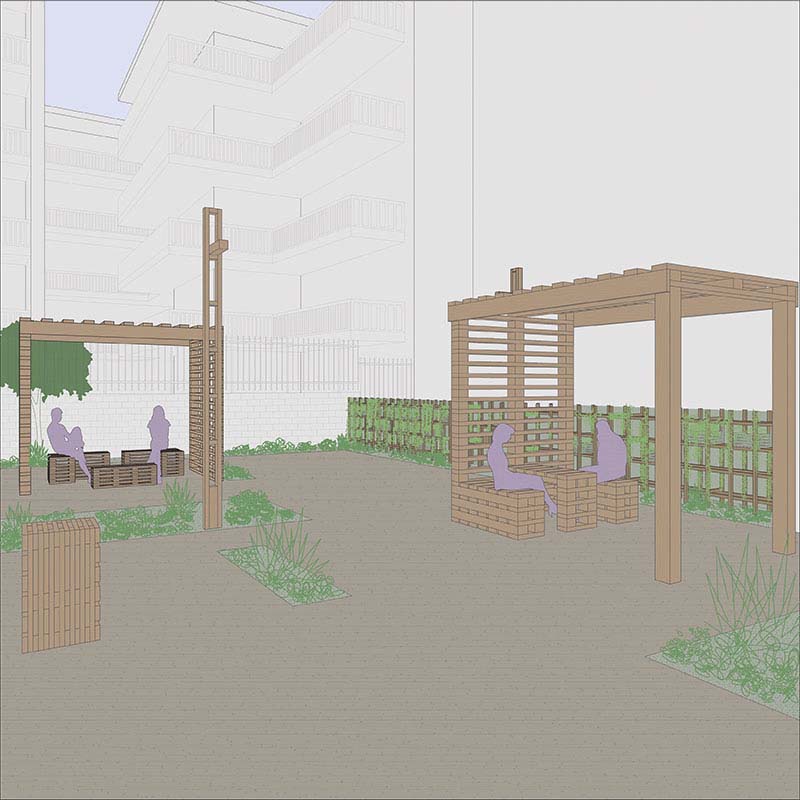
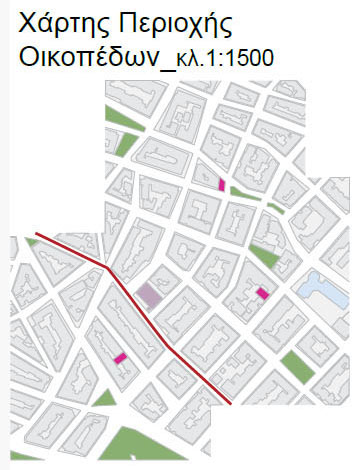
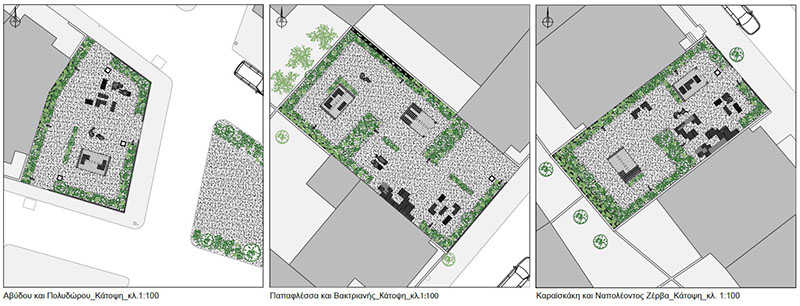
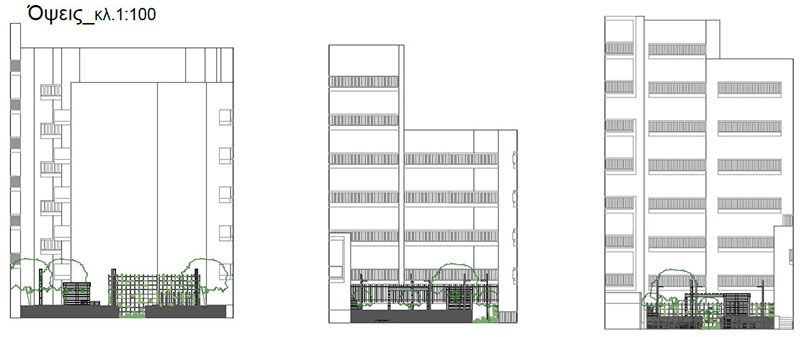
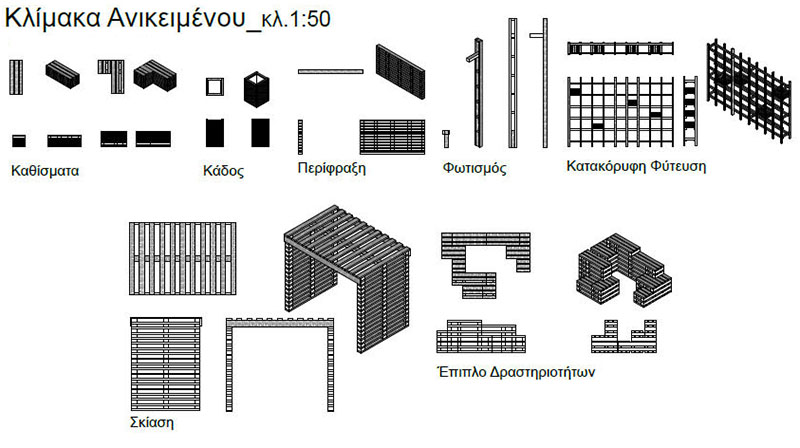
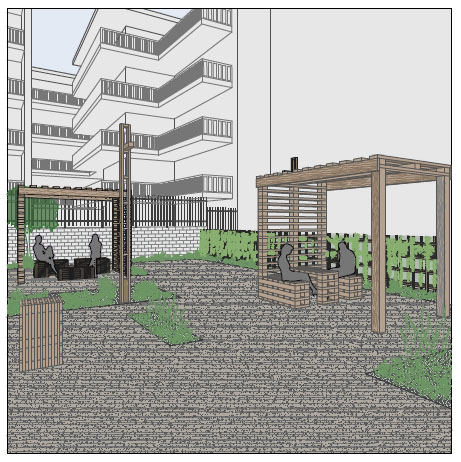
In the final section, the study proposes design interventions for three selected plots in the Municipality of Zografou in Athens. These plots were chosen based on criteria such as their location within the urban fabric, the character of the surrounding area and the availability of other green public spaces in the area. Special emphasis is placed on the design of urban equipment within these parks, aiming to create flexible and multifunctional elements that can adapt to any site.
Overall, this study highlights the value of pocket parks as small yet meaningful interventions in the urban landscape that contribute to improving quality of life, enhancing city sustainability, and reconnecting citizens with public space.