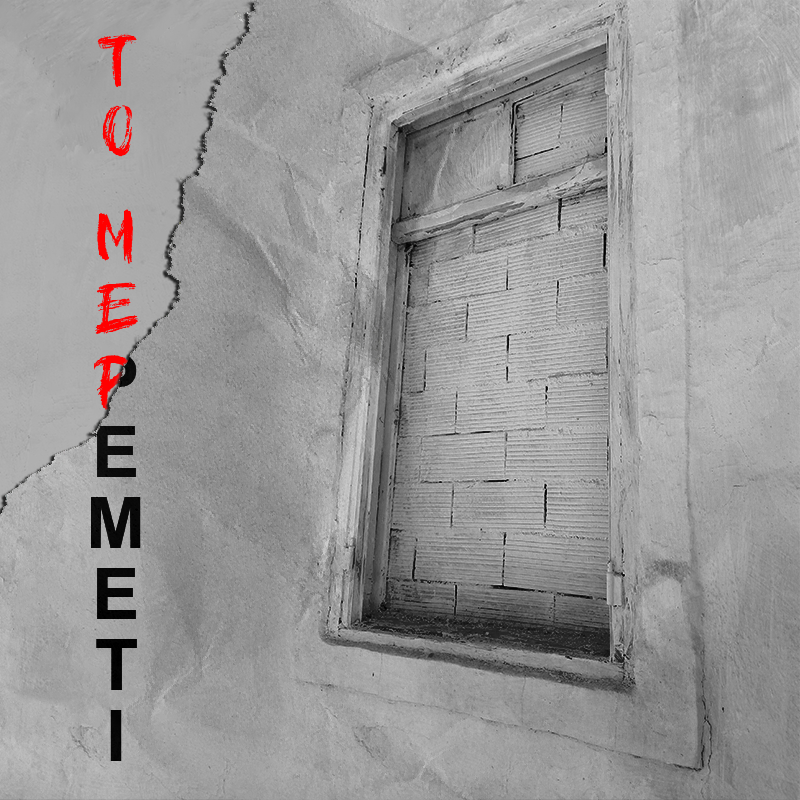
The following thesis concerns the philosophy and technique of the practice of repair and patching, which has been used for many years. It is a combination of an extensive literature review, interviews, field research, and photographic material by the authors and from other sources. Specifically, the research begins with examining the historical background of patchwork and focuses on three key case studies: the paradox of Theseus' ship, the Tower of Marmarion in Amphipolis, and the Greek countryside of the 19th-20th centuries. In each case study, the philosophy of reparation is analyzed each time from a different perspective, including the conception of the idea and its execution. Furthermore, interviews of people who live and worked in the Greek countryside are presented. The interviewees come from the villages of Efkarpia, Serres; Kleino (Kleinovos), Kalambaka; and Nigrita, Serres, each speaking about events and narratives, concerning repair and construction, based on their own experiences. Based on the data obtained from the interviews and field research, the repairs are systematically classified, while examples with photographic material and notes are provided depending on the category they fall into. Additionally, a photographic atlas of other constructions and repairs is presented. Due to the nature of reparation as an empirical practice, it was decided that this research would be presented in the form of a journal. The interaction between the authors and the research results is depicted in the form of sketches, collages, recording of personal notes, observations, or assemblages of the aforementioned. Finally, conclusions drawn from the entire research are presented, along with the necessary bibliography, online sources and sources of the images.