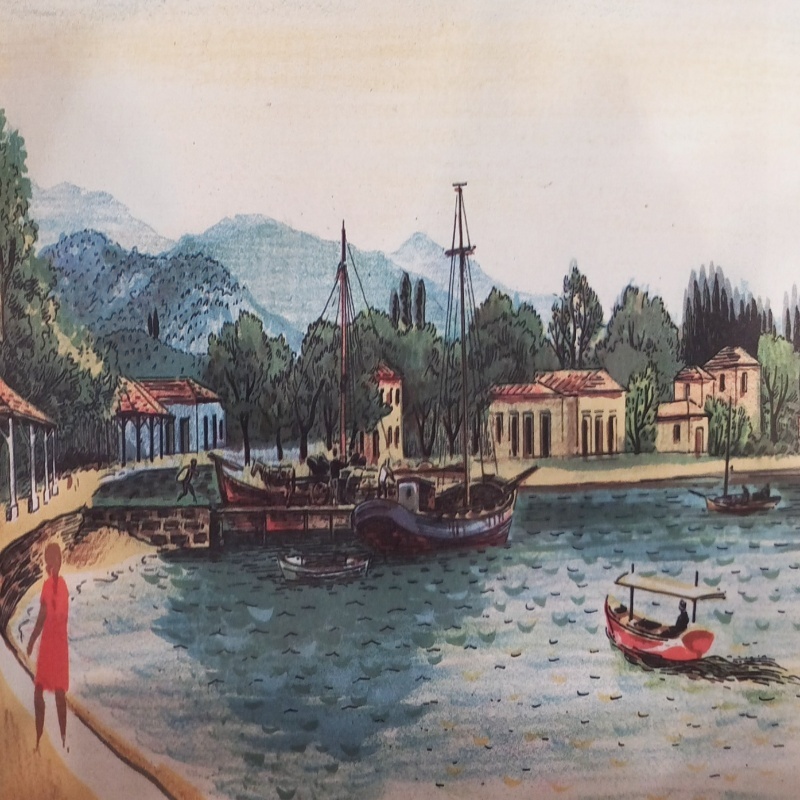
This research examines the town of Agria, focusing on its historical, architectural, and urban development, as well as contemporary problems and potential improvements. Beginning with its geographical location and historical trajectory, the study aims to showcase the town’s unique identity, as well as the cultural and social influences that shaped its present image. Agria developed primarily through its commercial activity, as it had one of the largest productions of edible olives, along with other fruits. As a result, permanent residents settled there, and industries were established, which proved pivotal for the region. With its rich history, Agria was influenced by social changes and other events that contributed to the evolution of its urban structure and the formation of the architectural styles still preserved today. Neoclassical elements, combined with local architecture, enhance its cultural heritage. Significant buildings, such as churches, public buildings, and historical residences, serve as monuments connecting the past with the present. Agria’s urban layout is characterized by the organization of its urban fabric, roads, and public spaces, all arranged to meet the needs of both residents and visitors. Contemporary interventions in the area, through new projects and reconstructions, impact the daily lives of inhabitants and the town’s aesthetic cohesion. However, the research also highlights the problems faced by the town.