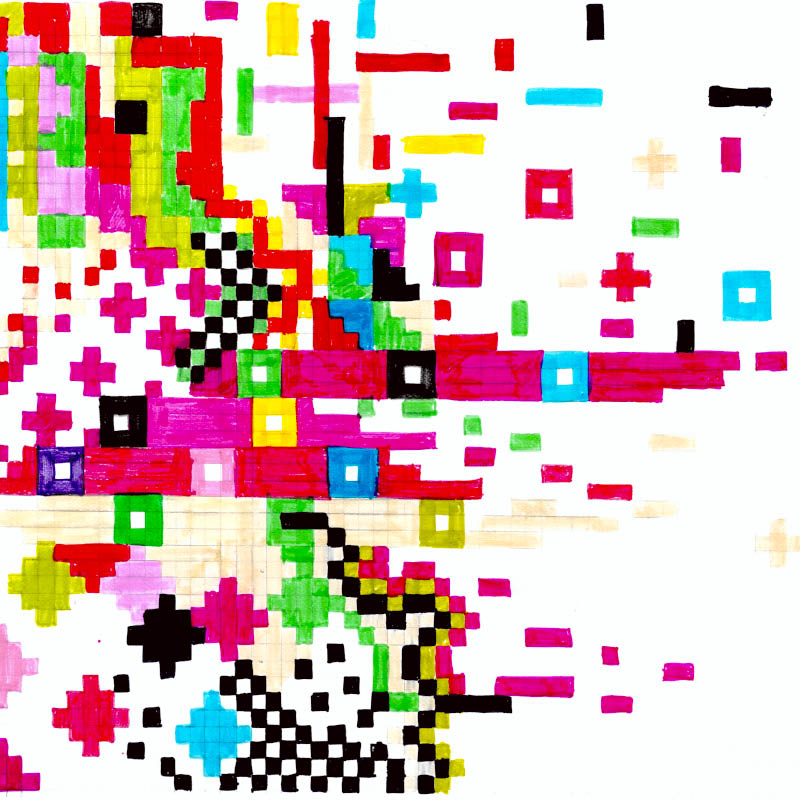
This thesis examines the creation of a prototype Weaving Center in the city of Volos, which aspires to function as a dynamic hub for experimentation and the dissemination of the art of weaving in Greece. Through an interdisciplinary approach, the research attempts to redefine traditional craft by integrating it into a common framework shared by contemporary visual creation and architectural design. The theoretical section analyzes the historical and social background of weaving, exploring concepts such as the geography of tradition, ornament, the gendered dimension of labor (the "female artisan"), and the materiality of touch as a fundamental compositional element. Concurrently, the deeper relationship between weaving, art, and architecture is examined, highlighting how the concept of the "web" and the grid can be translated into spatial structure. The architectural philosophy of the Weaving Center in Volos is based on the creation of a shared collaborative framework that bridges tradition with the contemporary era. The design of the building reflects the structure of a woven textile, where individual functions are harmoniously interwoven, enhancing social interaction and open dialogue. The Center's program includes specialized learning and production spaces, such as workshops, seminar rooms, and experimental research zones. Furthermore, it incorporates facilities for artist residency programs for instructors and visiting artists, an exhibition space for showcasing artworks, as well as a retail shop. In this manner, the Center's architecture is not merely a housing shell, but is transformed into a living tool of expression that analyzes and re-examines the relationship between space and social structure, operating in direct networking with other workshops nationwide.
Key words : Socio-spatiality, Synergy, Redefinition of traditional craft, Path, Grid