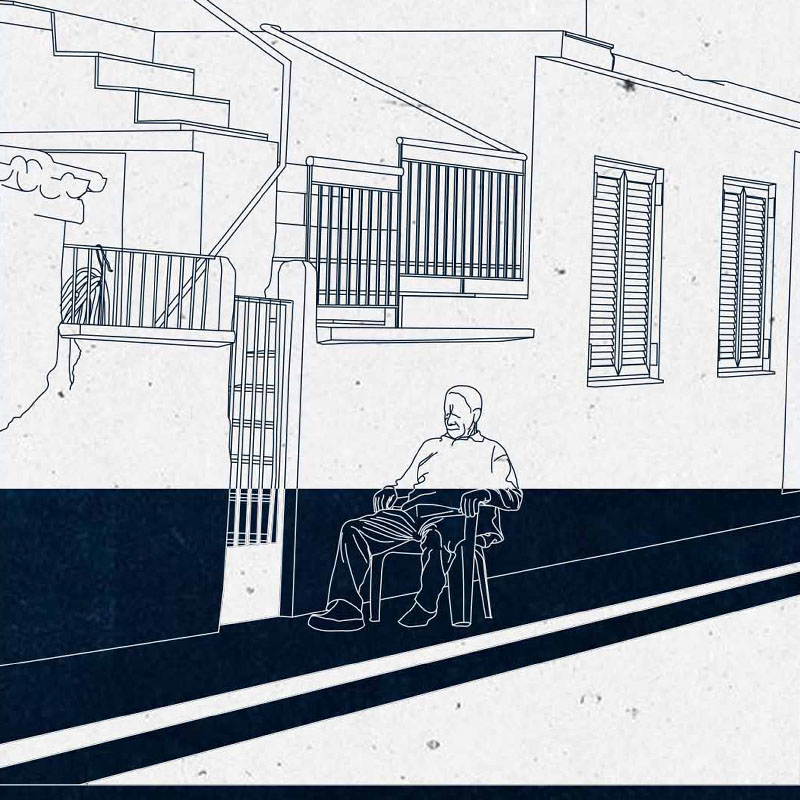
My research paper examines the refugee settlement of Analipsi in Kalamata, focusing on the historical and social changes from its creation to the present day. Initially, the paper analyzes the historical context of the settlement, which was created to accommodate refugees from the Asia Minor Catastrophe in 1922. Over the years, the addition of the settlement to the urban fabric of the city significantly influenced its urban and social development, adding to its cultural wealth. The research focuses on the process of “palimpsest reading” of the space, where traces of the old life that continue to shape the character of the area are sought. It also explores the apparent extroversion of the settlement and how it relates to human relationships, while analyzing the phenomenon of public space appropriation by residents. Through field research, the paper aims to highlight the multi-layered social and morphological changes in the area, examining the relationship between the past and the present. Furthermore, it investigates how collective memory and shared experiences of residents influence their behavior and use of public space, thus providing a comprehensive picture of the contemporary identity of the Analipsi settlement.