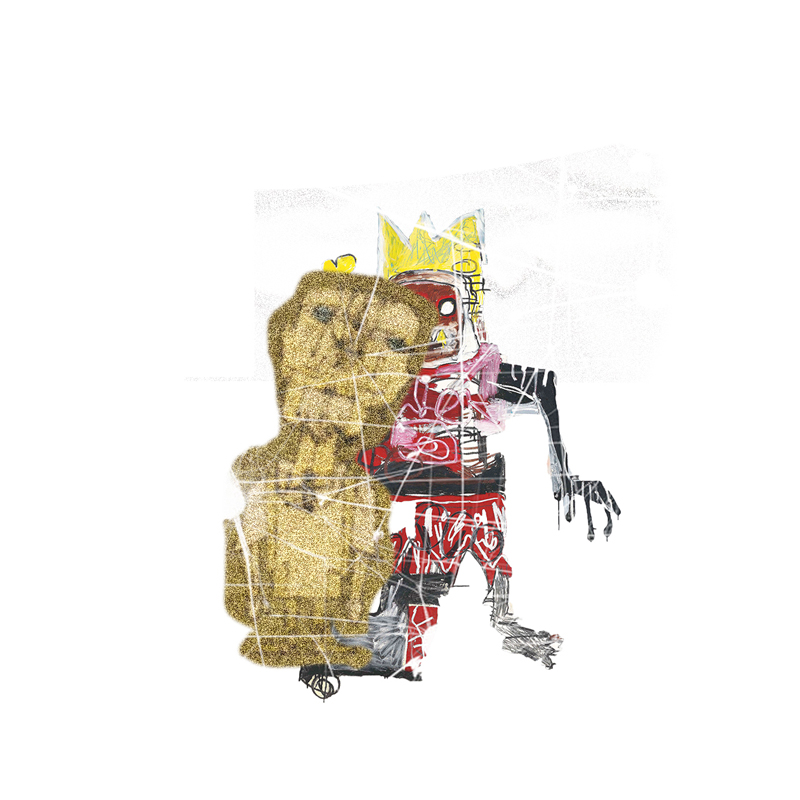
The aim of this research paper is to examine possible affinities between the psychological Gestalt theory and architecture. Commencing from the basic elements of the theory with references to its onset, we will follow how it contributed to the field of art to the formulation of the term «visual thinking» by the German theorist and art psychologist Rudolf Arnheim. More specifically we will analyse how himself, drawing upon the findings of modern psychology and translating them in the field of art, describes the process that is taking place when humans interact with works of art in a sensory manner, that is, he explains that the workings by which the eye organises the visual material are subject to certain rules of perception. Next, we will wonder about any possible applications of Gestalt theory in relation with creativity and will attempt to survey relevant research literature and finally endeavour to provide our own answer, evaluating what has already been said thus far on the subjects in question.