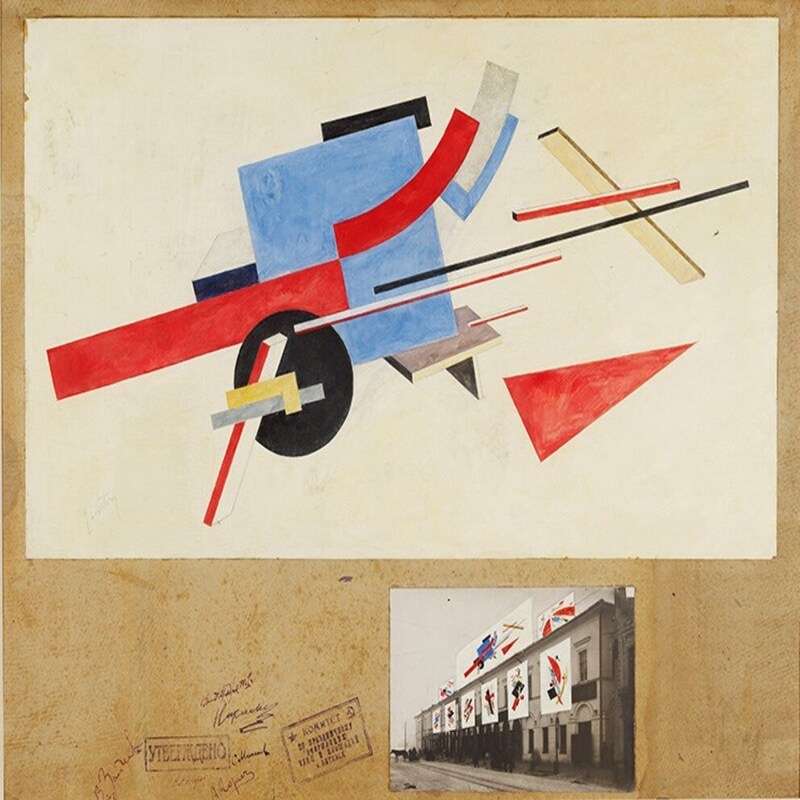
This research paper aims to highlight the inseparable relationship between society and art and to explore whether art can overturn oppression. It examines the theory and ideas of avant-garde movements, starting with the historical concept of "avant-garde" from the Middle Ages and the Renaissance to the 19th century, where avant-garde is associated with utopian ideas and the artist as a social reformer. The first chapter analyzes the socio-economic and political restructuring of the 19th century and the rejection of realism by the avant-garde due to capital, competition, and private property, which led to wars and oppression. Through examples of artists, the shift of the 20th-century avant-garde to abstraction, cubism, Dadaism, etc., is understood.
Peter Bürger's theory of the avant-garde is analyzed, focusing on its radical elements, such as the rejection of the artwork and its autonomy, and the merging of art with life. The views of Theodor Adorno and Walter Benjamin are presented to explain Bürger's rejection of Adorno's Aesthetic Theory and his adoption of Benjamin's theory of allegory. Through the positions of Manfredo Tafuri, architectural avant-garde is examined and its relationship with art and modernism, emphasizing the "death of history" and the "confrontation with the metropolitan condition." The examples of German Expressionism and Russian Avant-Garde demonstrate the innovation of architects and the distinction between avant-garde and modernism, highlighting their common starting point: the rejection of everything bourgeois.
In the final chapter, the dialectical relationship between Marxism, art, and society is examined, and through Clement Greenberg's theory, the possibility of the revival of the avant-garde or its inevitable adaptation to dominant ideas is investigated. The views of John Molyneux and the necessity of a new rupture are presented, implying that avant-garde thought and action continue to exist as long as capitalism exists.